
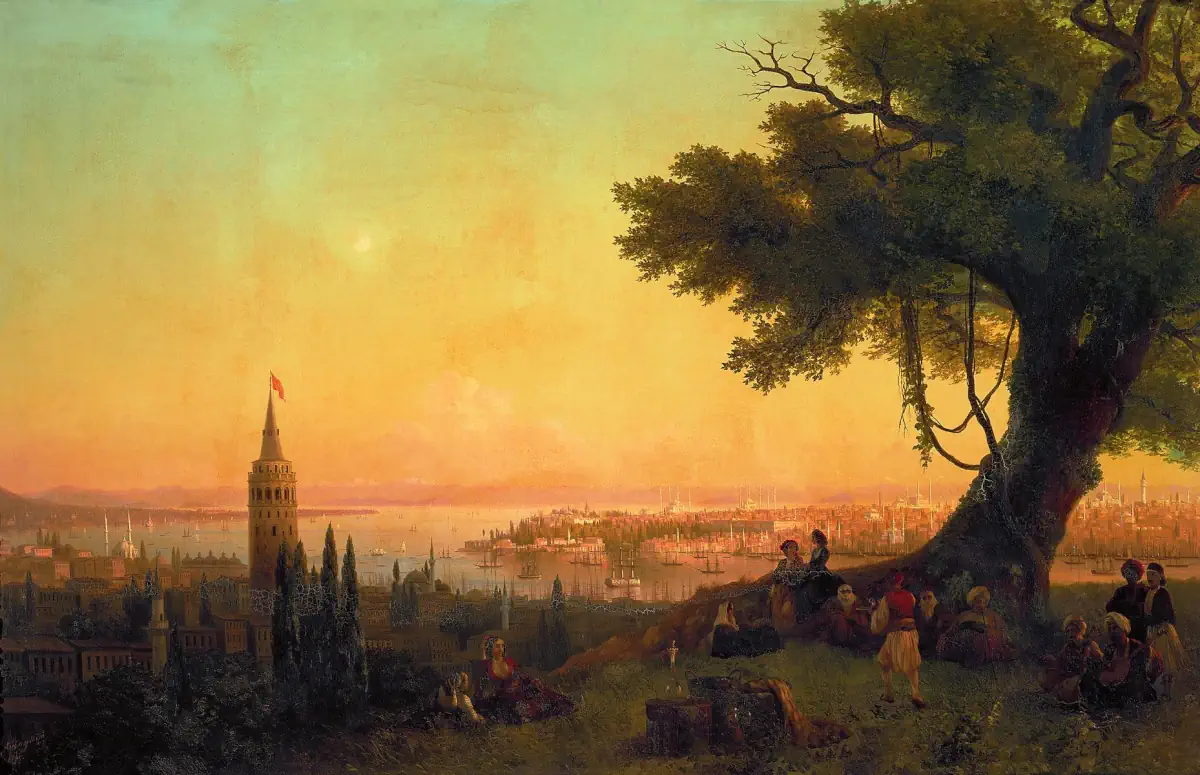
Few songs capture the romance of Istanbul quite like Kalamış. Written by the poet Behçet Kemal Çağlar and composed by the celebrated Turkish classical music composer and singer Münir Nurettin Selçuk, this beloved song is an affectionate tribute to Istanbul, the sea, and the quiet pleasures of an evening in Kalamış. Its lyrics evoke a world of summer evenings, moonlit waters, gentle boat rides, and old memories dissolving into the sea. Behind the song lies an equally charming story of friendship, inspiration, and a beautiful encounter on the waters of Kalamış Bay. The result is a timeless musical portrait of Istanbul, with a simple yet unforgettable longing at its heart: to find a little peace in Kalamış.
Kalamış [Original Turkish Poem]
Yok başka yerin lûtfu ne yazdan ne de kıştan
Bir tatlı huzur almaya geldim Kalamış’tan (âh Kalamış’tan)
Yok zerre teselli ne gülüşten ne bakıştan
Bir tatlı huzur almaya geldim Kalamış’tan (âh Kalamış’tan)
İstanbul’u sevmezse gönül aşkı ne anlar?
Düşsün suya yer yer erisin eski zamanlar
Sarsın bizi akşamla şarap rengi dumanlar
Bir tatlı huzur almaya geldik Kalamış’tan
Gazel: (see note 1)
Of of fethettiniz ay parlayarak şen gülerekten
Gündüz koya sen gel gece kalsın aya nöbet
Ses çıkmıyor artık ne kürekten ne yürekten
Emret güzelim istediğin şarkıyı emret
Bir tatlı huzur almaya geldik Kalamış’tan
English Translation
No other place offers the grace of summer or winter,
I came from Kalamış to find a little sweet peace
(Oh, from Kalamış).
Not the slightest comfort can be found in a smile or a glance,
I came from Kalamış to find a little sweet peace
(Oh, from Kalamış).
If a heart does not love Istanbul, how can it understand love?
Let the old days fall into the water and slowly melt away.
Let wine-coloured evening mists embrace us.
We came to Kalamış to find a little sweet peace.
The Gazel: (see note 1)
Oh, you have conquered us, shining like the moon, laughing with such delight.
Come to the cove by day, let the moon stand guard through the night.
Now not a sound comes from the oars, nor from the heart.
Command me, my beautiful one, command the song you wish to hear.
We came to Kalamış to find a little sweet peace.
The story behind the song “Kalamış”
Münir Nurettin Selçuk, during his healthier years, opened a private club in Kalamış where he was the only person who sang. Membership was required to enter. The club did not serve meals or mezes, only whisky. Customers first showed their membership cards and then paid for whatever they drank inside.
Münir Nurettin Selçuk asked his friend, the poet Behçet Kemal Çağlar, to write a poem containing the name Kalamış. However, Çağlar could not seem to get started. To inspire him, Münir Nurettin suggested:
“Come one evening, and I’ll take you for a boat ride around Kalamış.”
One warm summer evening, Behçet Kemal Çağlar accepted Münir Nurettin Selçuk’s invitation and went to the club in Kalamış. He found the club closed, but after knocking insistently, the door was finally opened. Beside Münir Bey stood an extraordinarily beautiful woman, a vision whose eyes seemed to carry the sea itself. The poet watched her in admiration.
The three of them set out to sea in a small boat. Münir Bey took the oars, while Behçet Kemal Çağlar tried to write his poem. But the woman had completely captivated him. Her playful gestures and flirtatious manner were driving the poet almost to distraction. In fact, the boat, the sea and the woman were proving to be excellent sources of inspiration. Münir Bey rowed slowly and gently.
After a brief silence, the woman turned to Behçet Bey with a playful smile and asked:
“Behçet Bey, is the poem coming along?”
The poet immediately seized the opportunity to start a conversation. He replied:
“It’s coming along, madam. Let me read you the last lines I’ve written:
Come to the cove by day, let the moon stand guard through the night.
*Command me, my beautiful one, command the song you wish to hear.”
The woman looked at Behçet Bey as if she understood the meaning behind his words and burst into laughter. Then, with a flirtatious expression, she asked:
“Very nice! Since you’ve read me two lines, surely we can hear the rest as well?”
Looking into her face with a rather bold expression, the poet began flirting with her.
Gazing into the woman’s eyes, he replied:
“An unfinished poem should never be read aloud. But since I’m writing this poem for you, I’ll make an exception.”
During that boat ride, the poet soon found himself reading the completed poem to his muse.
No other place offers the grace of summer or winter,
I came from Kalamış to find a little sweet peace.
Not the slightest comfort can be found in a smile or a glance,
I came from Kalamış to find a little sweet peace.
Come to the cove by day, let the moon stand guard through the night.
Command me, my beautiful one, command the song you wish to hear.
If a heart does not love Istanbul, how can it understand love?
Let the old days fall into the water and slowly melt away.
Let wine-coloured evening mists embrace us.
We came to Kalamış to find a little sweet peace.
The boat ride eventually came to an end. What remained in the poet’s memory was the beautiful, flirtatious woman, Kalamış Bay and the incomparable view of Istanbul. From that evening emerged this beautiful poem.
Münir Bey loved the poem. Inspired by the memory of that evening’s boat ride, Münir Nurettin Selçuk composed its music in the Nihavend makam (see note 2), a traditional mode of Turkish classical music.
From that day onward, Kalamış became a song that has never disappeared from people’s lips, remaining one of the most beloved songs in the Turkish classical music repertoire.
Kalamış
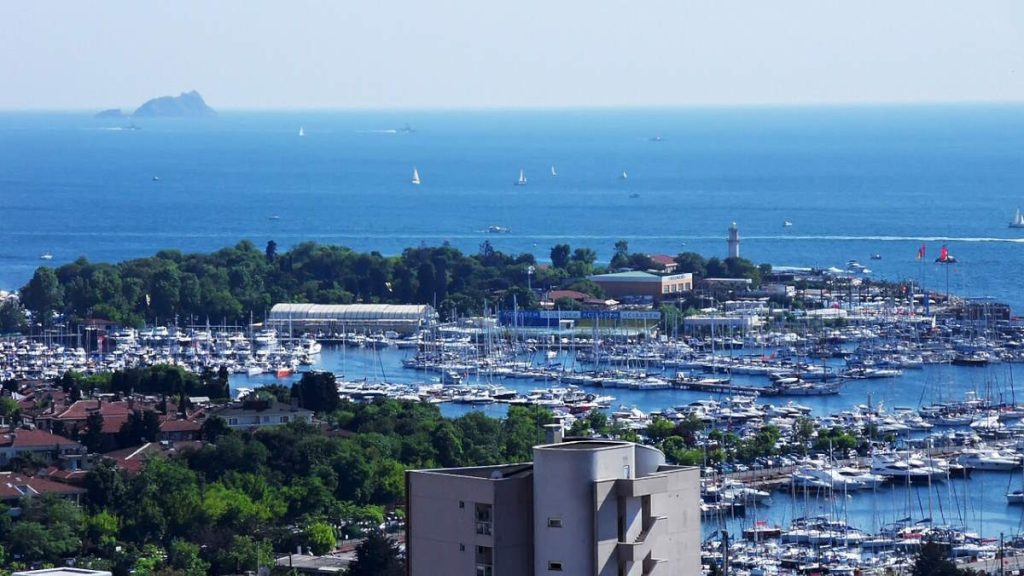
Kalamış is a seaside neighbourhood in Kadıköy, on the Asian side of Istanbul, along the shores of the Sea of Marmara. Situated between Kurbağalıdere, Kızıltoprak, Feneryolu and Fenerbahçe, it is particularly known for its marina, waterfront park and relaxed coastal atmosphere.
The neighbourhood’s most recognisable landmark is Kalamış Marina, one of Istanbul’s major yacht harbours. Its waterfront, lined with boats, walking paths, restaurants and cafés, offers a different perspective on the city, away from the busy streets and crowded avenues of central Istanbul. Kalamış Park, stretching along the coast, is another popular place for walking, cycling and enjoying views of the sea.
Kalamış is also closely associated with Istanbul’s maritime and sporting life. Kurbağalıdere, a stream that flows into Kalamış Bay, marks part of the area’s geography. The facilities of both Fenerbahçe and Galatasaray sports clubs are located around the bay, reflecting the neighbourhood’s connection with Istanbul’s sporting culture.
For many, Kalamış represents a quieter, more intimate side of Istanbul, where the sea, boats, evening light and the city’s enduring cultural heritage come together.
Kalamış was one of the ports of ancient Chalcedon (today’s Kadıköy), and the Byzantine emperors also used the area.
Behçet Kemal Çağlar
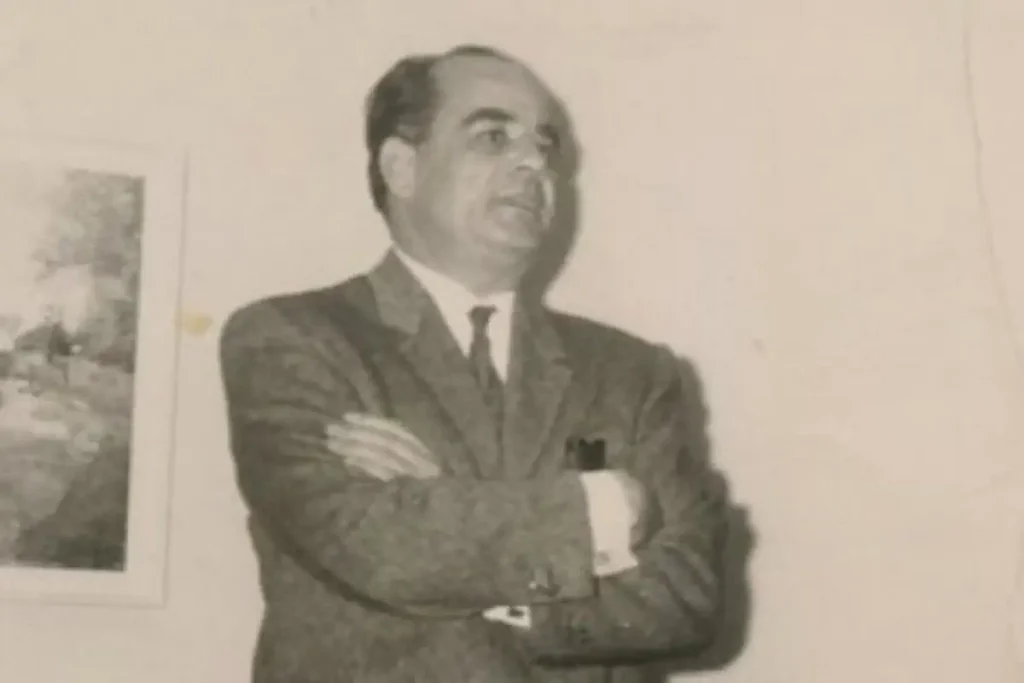
Behçet Kemal Çağlar was a Turkish poet, writer, educator, and politician, best remembered for his patriotic poetry and his contributions to the literary culture of the early Turkish Republic. He was born on 23 July 1908 in Tepecik village, Erzincan. Although his family had roots in Kayseri, his father’s public service career meant that he spent his childhood in several different cities.
Çağlar studied at the Mining Engineering School in Zonguldak, graduating in 1929 as a mining engineer. However, literature and poetry would eventually become the central pursuits of his life. His interest in poetry began at an early age, and he was particularly influenced by Turkish folk literature and the country’s cultural traditions.
One of the defining influences on his life was his admiration for Mustafa Kemal Atatürk and the ideals of the Turkish Republic. In 1933, his lyrics won a competition to write the words for the Republic’s tenth anniversary march. Written together with composer Cemal Reşit Rey, the Tenth Anniversary March (Onuncu Yıl Marşı) became one of the most recognised patriotic songs in Turkey.
In 1935, Çağlar was appointed as an inspector of the People’s Houses (Halkevleri), an institution established to promote education, culture and the arts throughout the country. This position allowed him to travel extensively across Anatolia and become closely acquainted with Turkish folk poetry and music. He sometimes wrote under the pen name Ankaralı Âşık Ömer, referring to the famous traditional folk poet Âşık Ömer.
He also served as a member of parliament representing Erzincan, but resigned in 1948, citing disagreements with his party over its departure from Atatürk’s principles. Later, he worked as a literature teacher at Robert College in Istanbul, published the literary magazine Şadırvan, and took on various cultural and broadcasting responsibilities.
His literary works include poetry collections such as Erciyes’ten Kopan Çığ, Burada Bir Kalp Çarpıyor and Benden İçeri, as well as historical plays including Çoban and Ergenekon.
Behçet Kemal Çağlar died in Istanbul on 24 October 1969. Although he is primarily remembered for his patriotic poetry, his poem Kalamış, composed by Münir Nurettin Selçuk, reveals another side of his literary personality: a poet inspired by Istanbul, romantic encounters and the beauty of the city.
Münir Nurettin Selçuk
Münir Nurettin Selçuk was one of the most influential singers, composers, and performers in the history of Turkish classical music. Born in 1900 in Sarıyer, Istanbul, he played a major role in bringing a new performance style to traditional Turkish music. He was also a choir conductor and music educator who influenced generations of musicians.
Selçuk demonstrated musical talent at an early age. At around fifteen, he joined the Dârülfeyz-i Mûsikî Society, where he studied under prominent musicians and developed his knowledge of Turkish classical music. He later became one of the founding members of the Şark Mûsikisi Cemiyeti (Eastern Music Society). Although his family sent him to Hungary to study agriculture, his passion for music brought him back to Istanbul.
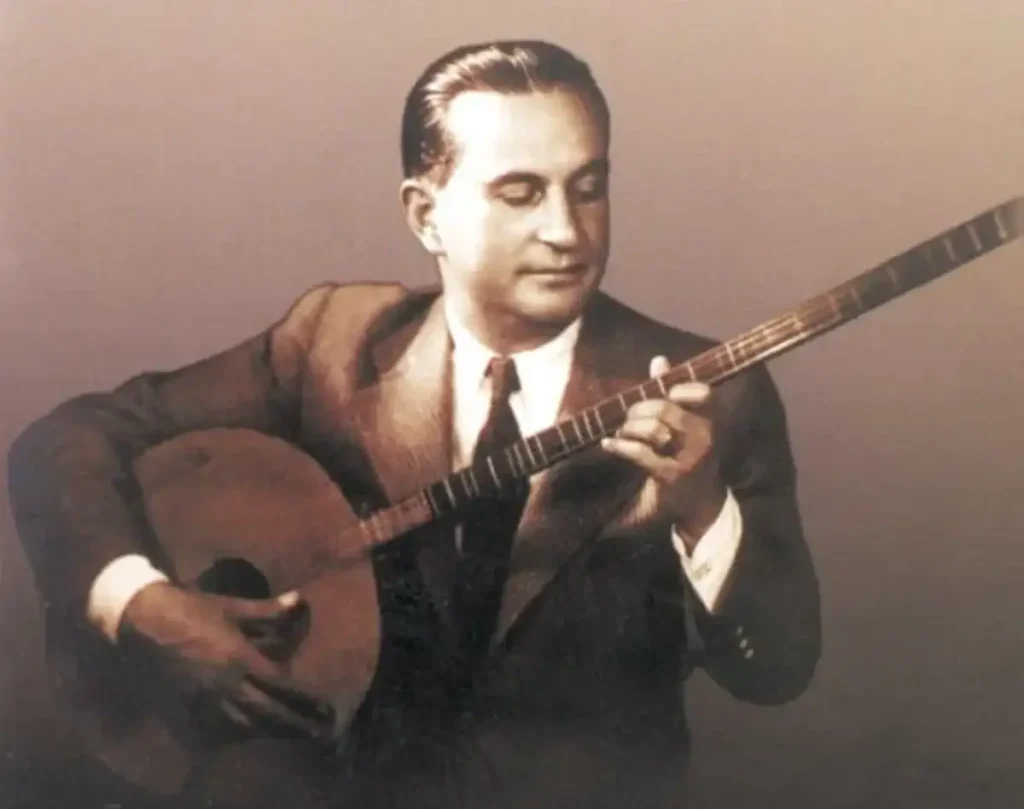
During the final years of the Ottoman Empire, he served at the Imperial Music Ensemble (Muzıka-yi Hümâyun). Following the establishment of the Republic, he joined the Presidential Music Ensemble in Ankara and became part of Mustafa Kemal Atatürk’s musical circle. In 1926, he returned to Istanbul and continued his musical career independently.
In 1928, Selçuk travelled to Paris, where he studied vocal technique, piano and solfège at the Paris Conservatory. Influenced by the Italian bel canto tradition, he developed a distinctive singing style that combined Western vocal techniques with the expressive qualities of Turkish classical music.
His first solo concert, held in Istanbul on 22 February 1930, marked an important turning point in Turkish classical music. He introduced a more formal concert tradition, performing in a tailcoat, standing on stage, and accompanied by an orchestra and choir. He was also among the first to establish the tradition of solo singing accompanied by a choir in Turkish classical music.
Throughout his career, Selçuk performed more than a thousand concerts in Turkey and abroad. He also conducted hundreds of choir performances and composed approximately one hundred works in various musical forms. Among his best-known compositions are Aziz İstanbul, Sessiz Gemi, Rindlerin Akşamı and Kalamış.
His contribution extended beyond performance and composition. He spent many years working at the Istanbul Municipal Conservatory, where he conducted the Turkish Music Ensemble and taught music to younger generations. His students included renowned musicians such as Alâeddin Yavaşça and İnci Çayırlı.
Münir Nurettin Selçuk died in Istanbul on 27 April 1981 and was buried at Aşiyan Cemetery. In 1991, a bust of him was erected on the Kalamış waterfront by Kadıköy Municipality, and a street was named after him.
His musical legacy remains an essential part of Istanbul’s cultural identity. Through songs such as Kalamış, he gave musical expression to the city’s romance, beauty and enduring connection with the sea.

Notes
- A gazel is a free-rhythm musical form in which a poem is performed spontaneously, without prior composition, within the framework of a particular makam (a melodic mode in Turkish classical music). It is the vocal and lyrical equivalent of taksim, the improvised instrumental performance. A gazel is performed freely, without a fixed rhythmic pattern (usul), and depends on the performer’s inspiration and improvisation at that particular moment. The performer may also add various interjections and exclamations between the lines of the poem. A gazel can be performed as an independent piece, or incorporated into a song, usually after the meyan (the middle section of a composition), or at an appropriate point within it.
- A makam is a melodic system in Turkish classical music that defines the notes, characteristic melodic movements, and emotional character of a musical composition. It is more than a musical scale, as it also determines how melodies develop, which notes are emphasized, and how musical phrases are shaped. Each makam has its own distinctive melodic identity. In earlier times, it was customary to name Turkish classical music makams after cities or regions, such as Iraq, Hijaz, Nishapur (Nişâbur) and Tabriz. In keeping with this tradition, Nihavend, a city in Iran, also came to be used as the name of a makam. The Nihavend makam used today was originally known as Nihavend-i Rûmî. This name was used to distinguish it from another makam called Nihavend-i Kebîr. Over time, however, the distinction was abandoned, and the name was shortened to simply Nihavend. The Nihavend makam is derived by transposing the scale of the Bûselik makam to the Rast note. In terms of Western music theory, the Nihavend scale corresponds to G minor. When the scale contains a Kürdî tetrachord on its dominant note, it corresponds to the natural minor scale (also known as the Aeolian mode). When it contains a Hijaz tetrachord instead, it corresponds to the harmonic minor scale.
Sources
- Kalamış on Wikipedia
- Behçet Kemal Çağlar on Wikipedia
- Münir Nurettin Selçuk on Wikipedia
